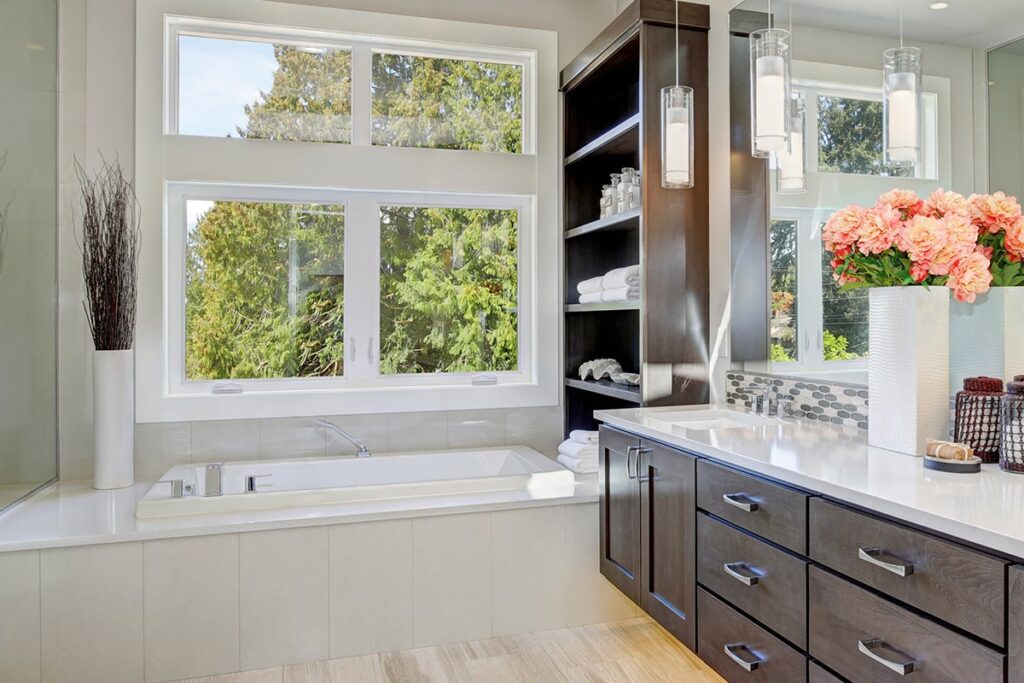
Explore our guide to learn what makes windows and doors eco-friendly. Find out how upgrades can help Kansas City-area homeowners create a more comfortable, sustainable home.
- Compare common window and door materials including vinyl, fiberglass, wood, aluminum and composite and their sustainability trade-offs.
- Explore energy-efficient features like Low-E glass, argon gas, multi-chamber frames and durable weatherstripping.
- Learn how everyday energy-saving habits can factor into your eco-friendly home improvement plans.
Energy costs these days are nothing to joke about, so it’s little wonder that many Kansas City-area homeowners are looking for convenient ways to make their homes more energy-efficient. One place to start is to take a closer look at your windows and doors.
When your home’s entry points don’t function properly, they can be massive energy drains that waste resources and make your home more uncomfortable. By upgrading to more eco-friendly windows and doors, you have a chance to create better-functioning spaces that make your home more comfortable and bring energy costs down. Let’s take a closer look at energy-efficient windows and doors and consider why they might be a good fit for your Missouri home.
Eco-Friendly Window & Door Materials at a Glance
Eco-friendly windows and doors are available in a variety of materials, with each having its own pros and cons. That being said, you can expect each material to help your home perform more efficiently and make it a comfortable place to spend time with your family. We’ve created the table below to help you understand different materials and some of the eco-friendly benefits they may provide.
| Frame/Door Material | Eco-Friendly Trade-Off |
| Vinyl (Window World’s standard) | Durable multi-chamber construction can improve a home’s energy performance. Long lifespans mean less frequent replacements and less waste. |
| Fiberglass | Strong insulation and long service life, but has a complex manufacturing process using multiple materials. Costs may be higher. |
| Wood/Reclaimed wood | May be renewable if certified by the Forest Stewardship Council (FSC). Often comes with higher maintenance costs and less insulation. |
| Aluminum | Recyclable, but can be a poor insulator on its own and increase HVAC strain. |
| Composite | May be made from a variety of materials including wood, vinyl and fiberglass. Sustainability and performance can vary. |
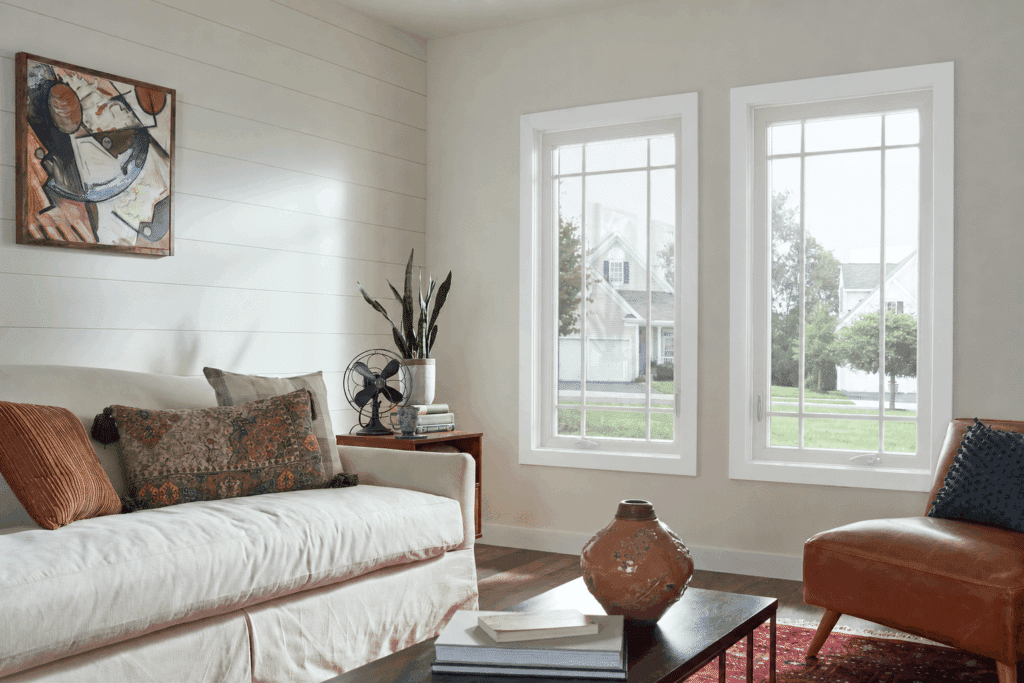
What Actually Makes a Window or Door Eco-Friendly?
There is not one single attribute that makes a window or door eco-friendly. Often, it is a combination of the window’s design features, materials and its ability to improve your home’s day-to-day efficiency.
- Materials: As mentioned in the table above, certain materials may be more sustainable than others. Vinyl is a great example. It’s durable enough to last for years, meaning you won’t have to replace your windows frequently, wasting fewer materials. Plus, it may require less energy to produce.
- Design: Many windows and doors are designed with multiple features that can help them perform better. Energy-efficient components like low-E glass and multi-chamber framing help keep out drafts and heat that increase your home’s energy waste.
- Performance: Having energy-efficient doors and windows fosters a comfortable home and lower energy loss, leading to fewer spikes on your monthly electric bills.
As you begin your search for more eco-friendly home upgrades, it’s a good idea to compare your choices. ENERGY STARⓇ-certified designs feature a variety of energy-efficiency ratings that will help you make the best choice. Because Kansas City sits within ENERGY STAR’s North-Central climate zone, you’ll want to choose the option that will perform best in that area.
You’ll also want to make sure that you have your new upgrades professionally installed. Experienced technicians know exactly what to do to ensure the perfect fit, functionality and seals that will optimize your window performance.
What Makes a Window Energy Efficient?
The modern eco-friendly window contains multiple design features that help it work better to reduce your home’s energy consumption. Kansas City-area homeowners who choose Window World will have a choice of windows that include technology such as:
- Low-E glass: Contains a microscopic metallic coating that blocks harmful ultraviolet (UV) and infrared (IR) light that can cause your interiors to overheat. Visible light will still continue to flow brightly through.
- Multi-pane insulated glass: Multi-pane windows have two or three panes of glass separated by air pockets. The glass and air work to slow and trap excess heat trying to enter your home.
- Argon gas filling: Argon—an inert, harmless gas—goes between the panes of multi-pane windows and can repel heat better than standard air.
- Multi-chamber framing: Intricate chambers within your window frame will help slow drafts and air loss.
- Warm-edge spacers: The spacers between glass panes are made from materials that won’t conduct as much heat as standard glass.
Sustainable, Energy-Efficient Door Features
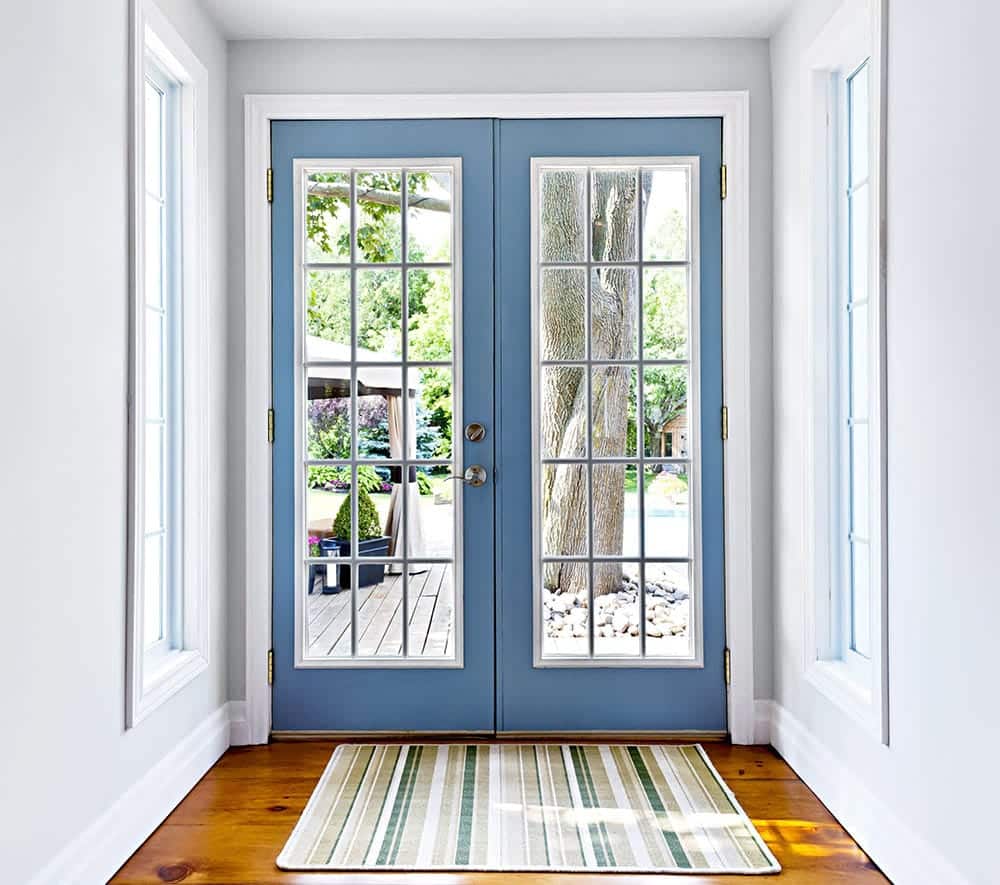
Eco-friendly doors can also contain a variety of sustainable features and energy-efficient materials that help them last for many years and keep your home snug and secure. For example, Window World of Kansas City’s doors offer:
- Insulated polyurethane cores that help repel heat and provide strong insulation.
- Durable weatherstripping that creates an airtight seal around the bottom, top and sides of the doorframe, ensuring minimal air loss.
- ENERGY STAR-compliant door lites that allow natural light to fill your entryways while keeping bad heat and air out.
Our sustainable doors are also built to withstand years of wear and tear without rotting or warping, providing a reliable, tight seal.
Eco-Friendly Habits to Pair with New Windows and Doors
Alongside upgrades like efficient windows and doors, there are a number of other home improvements that you can undertake to make your space a little more eco-friendly. For example:
- Adjust your water use: Reduce your water heater temperature to 120°F, run full dishwasher loads instead of hand-washing and wash clothes in cold water. All of these practices can take strain off your water heater, which is a big energy consumer.
- Switch to LED light bulbs: Newer LED light bulbs are designed to significantly reduce energy consumption compared to older incandescent or halogen bulbs.
- Add blinds and thermal curtains: Closed window blinds can significantly reduce interior temperatures during the hottest months. Thermal curtains add more insulation around windows when closed in winter.
- Unplug unused appliances: Many appliances continue to use electricity even if turned off or in idle. Unplugging them stops energy waste at the source.
- Use your thermostat wisely: Adjust your thermostat higher in summer and lower in winter before you leave home. Investing in a smart or programmable thermostat can help balance energy use throughout the day.
- Invest in houseplants: Adding some greenery inside your home is a small but easy way to freshen your home’s air quality. The plants can absorb carbon dioxide and other toxins while releasing fresh oxygen.
While these adjustments may seem minor, their benefits add up, helping you create a home that is more comfortable and still performs at its best year-round.
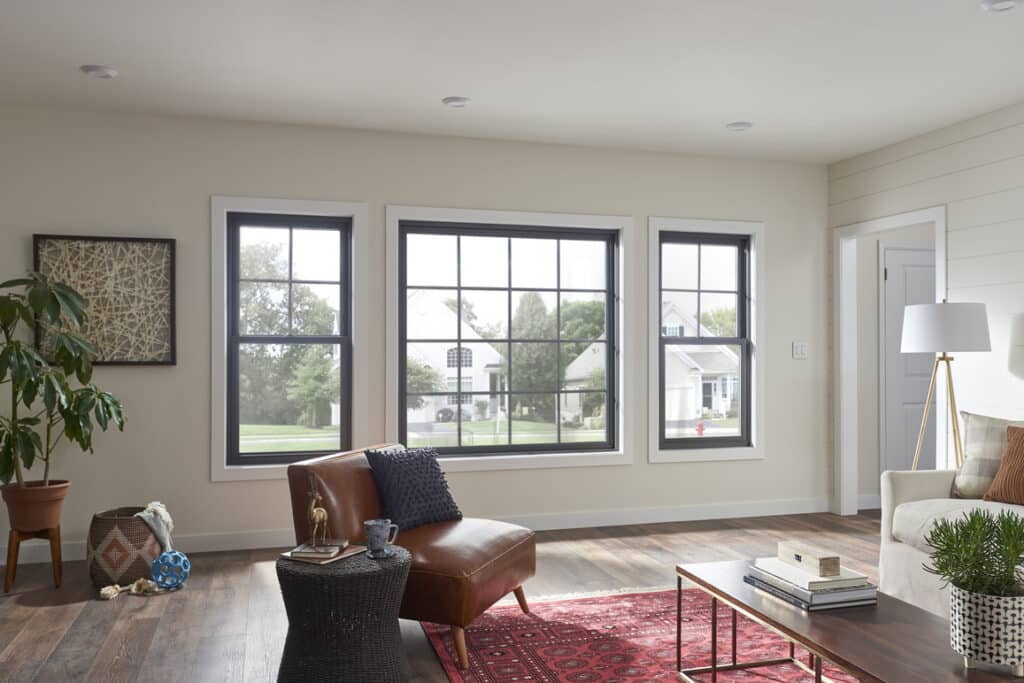
How Much Do Eco-Friendly Windows and Doors Cost?
Eco-friendly windows and doors all come at different price points, which can vary depending on the number of features included, the window type and various other factors. The best way to determine a price point that’s right for your budget is to work with a window professional. They can help you compare your options and determine which eco-friendly features are most likely to work best in your home.
Is There Still a Tax Credit for Energy-Efficient Windows and Doors in 2026?
As of 2026, there is no existing federal tax credit for energy-efficient windows and doors. Previous federal tax credits expired for any upgrades in service after December 31, 2025. If you completed your project before that date, you may still qualify. Consult a tax professional for more details.
Want A More Eco-Friendly Home? Window World Can Help.
With eco-friendly windows and doors, you can give your home upgrades that deliver better protection and more energy savings, all at a price your budget will love. Window World of Kansas City’s ENERGY STAR-certified products are designed to perform at their best in Missouri’s North-Central climate zone, ensuring you get the most benefit from making your home a little greener.
If you’re ready to get started, request a free in-home estimate from one of our dedicated professionals.
Frequently Asked Questions
Which window frame material is the most eco-friendly? Vinyl, fiberglass or wood?
Fiberglass, vinyl and wood all have certain eco-friendly characteristics, and each material’s benefits are different. Beyond the window materials, many other parts of the windows—such as the glass and the pane spacers—can contribute to the window’s overall eco-friendliness and energy efficiency. Therefore, when weighing a window’s sustainability, you’ll want to consider the entire package, not just the frame material.
Do energy-efficient windows actually lower utility bills?
Yes, energy-efficient windows can help lower your energy bills. In fact, ENERGY STAR-certified windows can save homeowners nationwide an average of up to 13% on their energy bills. Features like their multi-chamber frame designs and low-E glass are all benefits that can add to a window’s overall energy efficiency and help reduce energy loss.
What’s the difference between double-pane and triple-pane windows for energy savings?
Both double-pane and triple-pane glass use multiple glass panes separated by thin layers of air or inert gas. Working together, the panes and air help balance your home’s heat gain and reduce noise while maintaining natural light. Both are more energy-efficient than single-pane windows.
Whether double-pane or triple-pane windows will provide the best energy efficiency depends on more than the number of panes alone. Factors like your local climate, where the windows will sit in your house and the other design elements of the window also contribute to a window’s energy efficiency.